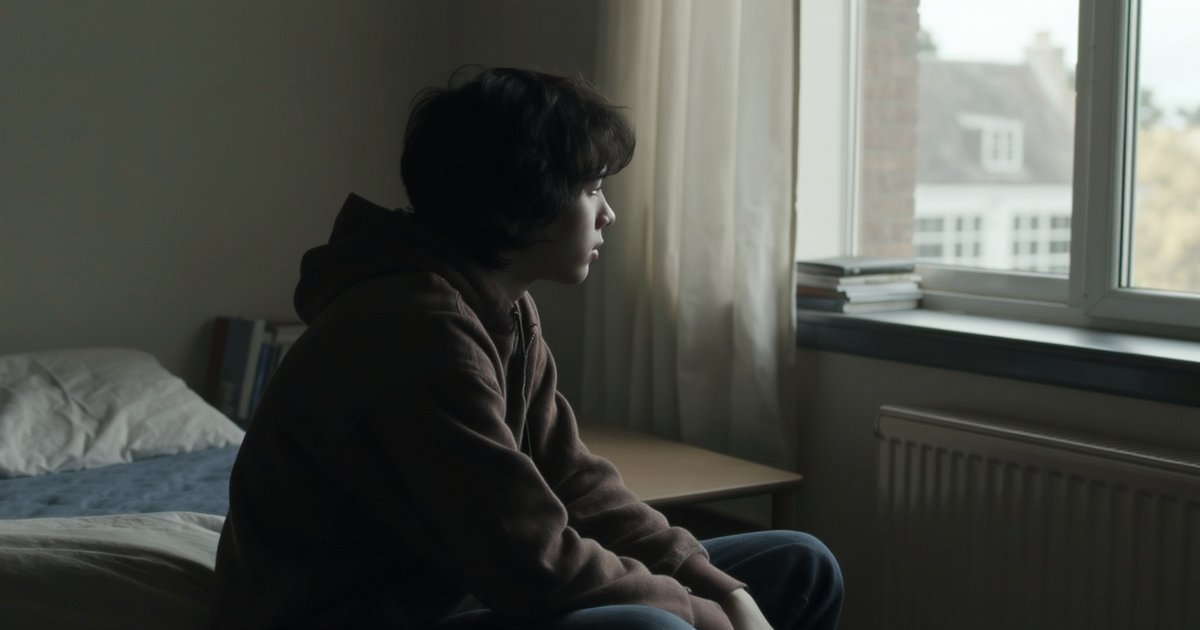
The honest version of studying abroad isn't what the university brochure shows. The brochure shows students laughing in a market, sightseeing, making instant friends. What it doesn't show is week seven — when the novelty is gone, you haven't cracked friendships yet, the academic workload is heavier than expected, your family is 4,000 kilometres away, and you're not sure if what you're feeling is normal or something you should be worried about.
1 in 3 international students reports experiencing depression, anxiety, or significant psychological distress while studying abroad. Only 15% seek professional help. The gap between those two numbers is what this guide is about.
What Does Adjusting to Life Abroad Actually Look Like?
Culture shock isn't a single moment of disorientation — it's a predictable four-phase process that most international students move through, on roughly the same timeline.
Weeks 1–4
Weeks 4–12
Months 3–6
Month 6+
Why Is Mental Health Harder for International Students?
Domestic students experience adjustment difficulties too. But international students carry additional layers that don't apply to someone who moves from Manchester to London for university.
You're managing: a new language (or a new variety of a familiar language), a new academic system with different expectations, complete social reconstruction (no existing friendships), visa administration and legal status anxiety, financial pressure that's often higher than for domestic students, time zone gaps that make staying connected with family and old friends logistically hard, and in many cases, the specific pressure of being the first in your family to study internationally.
What actually helps — and what doesn't
Certain interventions consistently help international students in the frustration phase. Others don't — and knowing the difference saves you from spending energy on things that feel productive but aren't.
What works:
- Physical anchors: consistent sleep schedule, regular food, any form of physical movement (doesn't have to be the gym). These aren't wellness platitudes — they affect the biological baseline your mental state sits on. Disrupting all three simultaneously (which happens easily in weeks 4–8) creates a compounding effect that worsens psychological distress.
- One regular social commitment: not building a social life (too vague and pressurised) but one specific recurring thing — a club meeting every Tuesday, a language exchange every Thursday. Social regularity reduces the activation energy needed to maintain connections. One thing you show up to every week builds more than five things you attend once.
- Connecting with other international students: specifically, people who are also in the adjustment phase. Shared experience with domestic students is different — they can be empathetic but they don't have the same frame of reference. University international student societies exist for exactly this reason.
- Contacting university support early: before you're in crisis. Most university counselling services have 3–6 week waiting lists. Contact them in week 4 even if you think you're fine — by the time you're sure you need help, the wait will feel much longer.
What doesn't help as much as it feels like it should:
- Calling home every day — keeps you connected to home but can slow adaptation to your new environment; finding the right frequency matters
- Social media — the curated version of everyone else's international experience makes week 7 look even worse by comparison
- Waiting to feel better on your own — adjustment eventually happens for most people, but passive waiting through the frustration phase is harder than active engagement
When Should You Get Professional Support?
FreeStudentTools isn't a mental health service, and nothing here is a substitute for professional assessment. But these are signals that you should contact your university counselling service or GP rather than waiting to see if it passes on its own:
- Persistent low mood lasting more than two consecutive weeks
- Loss of interest in things that normally give you pleasure
- Significant changes in sleep or appetite
- Difficulty concentrating that's affecting your academic work and isn't improving
- Thoughts of withdrawing from the programme as a way to escape how you feel
- Any thoughts of self-harm
These symptoms don't mean you made the wrong choice in coming. They mean you're dealing with something that responds well to professional support and significantly less well to trying harder on your own.
Where to find support by country
- UK: your university's Student Services / Wellbeing team; your registered NHS GP; Samaritans (116 123, 24/7, free); Student Minds (studentminds.org.uk)
- USA: your university's Counseling Center; Crisis Text Line (text HOME to 741741); NAMI Helpline (1-800-950-NAMI)
- Germany: your university's Psychologische Beratungsstelle; Telefonseelsorge (0800 111 0111, 24/7, free)
- Canada: your university's Student Wellness Centre; Crisis Services Canada (1-833-456-4566)
- Australia: your university's Student Counselling; Lifeline (13 11 14, 24/7)
For practical context on what the full international student experience costs and involves, see our cost of studying abroad breakdown and our culture shock guide, which covers the same four phases in more depth with specific strategies for each.
Compare tuition, living costs, and healthcare across countries before you commit.
Compare countries →