Guides that actually help international students
52 in-depth guides covering scholarships, student visas, study costs, language tests, health, accommodation, and post-study work visas. Real numbers, honest advice.
Scholarship Guides
11 guides
How to Apply for the Chevening Scholarship — and Actually Get It
The UK's flagship scholarship funds 1,800 students a year from 160+ countries. The essays aren't hard. The interviews are. Here's what the selection panel is actually looking for.
Read guide
The Fulbright Scholarship: What Nobody Tells You Before You Apply
The world's most recognised scholarship rejects over 85% of applicants — including strong ones. The difference usually isn't academic credentials. It's this.
Read guide
DAAD Scholarship: Germany's Most Overlooked Fully-Funded Opportunity
Most students applying to Germany skip DAAD because it looks complicated. It's not — but you do need to pick the right programme. There are 70+ of them and only a few actually matter for most applicants.
Read guide
The Gates Cambridge Scholarship: Why Smart People Get Rejected
Around 90 scholarships. Over 5,000 applicants. The people who don't get it aren't the ones with weak academics — they're the ones who applied like it was a standard funding application. It isn't.
Read guide
Erasmus Mundus: How to Pick the Right Programme (and Actually Get In)
There are 140+ Erasmus Mundus programmes. Picking the wrong one is the most common mistake. The second most common mistake is applying to a programme that's full two years before it says it closes.
Read guide
Rhodes Scholarship Guide 2026: What They Actually Look For
Acceptance rates well below 1%. The 4 selection criteria and how they're actually weighted. Why brilliant academics get rejected and what the interview really tests.
Read guide
Commonwealth Scholarship Guide 2026: What Sets Applications Apart
Fully funded UK master's and PhD for citizens of lower and middle income Commonwealth countries. The development impact criterion is where most applications succeed or fail — not the academic record.
Read guide
MEXT Japan Scholarship Guide 2026: Two Routes, One Goal
¥143,000/month, tuition waived, flights included. Embassy Recommendation and University Recommendation routes work completely differently — and most guides only explain one of them.
Read guide
Korea GKS Scholarship Guide 2026: Embassy Track vs University Track
₩1,000,000/month, 100% tuition, a full year of Korean language training, and 2,000+ places across 155 countries. Most applicants choose the wrong track for their profile — here's how not to.
Read guide
Türkiye Bursları Scholarship Guide 2026: 40 Days, 12 Choices, One Shot
Free tuition, free dormitory, ₺18,000/month stipend — open to 180+ countries for just 40 days (January 10 to February 20). The application window is the hardest constraint. Here's what to do before it opens.
Read guideScholarship Application Strategy
4 guides
How to Write a Scholarship Essay That Actually Gets Funded
What selectors are actually reading for. Why most essays fail. The 5 structural elements that differentiate funded from rejected — without using templates.
Read guide
How to Prepare for a Scholarship Interview: What Panels Are Actually Testing
Panel interviews are not knowledge tests. Why agreeing with selectors when challenged is a mistake. How to hold a position under pressure without becoming defensive.
Read guide
How to Get a Strong Scholarship Letter of Recommendation
A generic letter is almost as damaging as a bad one. Who to ask, when to ask (3 months minimum for major scholarships), and what to send them so they can write specifically about you.
Read guide
How to Write a Statement of Purpose for a Master's (That Actually Works)
500–1,000 words to prove you've thought more clearly about your field than anyone else they'll read that day. Most SOPs fail before the second paragraph. Here's the structure that doesn't.
Read guide
How to Email a Professor for a PhD Position (and Funding)
Cold emails to professors get a 10–25% reply rate. When emailing actually matters by country, what to put in 150 words, and the one thing to do before you send.
Read guide
Proof of Funds for a Student Visa: How Much, and How to Show It
UK, US, Canada and Australia each want a different amount held a different way. The exact living-cost figures, the 28-day rule, and the funding sources that get refused.
Read guide
Scholarship Rejected? How to Reapply and Actually Win Next Time
Most rejections aren't about being unqualified. The four real reasons, whether to reapply at all, and what to change in 6–12 months that isn't the essay.
Read guide
Motivation Letter vs Scholarship Essay vs SOP: Which to Write When
Four documents, four jobs. When you need a motivation letter, a scholarship essay, an SOP or a personal statement — and exactly what content you can reuse.
Read guideUniversity Admissions Guides
5 guides
How to Answer "Tell Me About Yourself" in a University Interview
Most students answer this chronologically. Admissions panels are looking for a story arc — present achievement, past foundation, future direction. Here's the exact formula.
Read guide
10 University Admissions Interview Questions — What They're Really Testing
Every question has a surface question and a real question. Admissions panels use "Why this university?" to test intellectual fit — not enthusiasm. Here's what they're actually scoring.
Read guide
How to Write a University Personal Statement That Gets You In
4,000 characters, 47 lines, and most students waste the first third on why they want to study. Tutors read hundreds of statements. Here's what makes yours stand out in the first paragraph.
Read guide
Conditional vs Unconditional University Offer: What They Mean and What to Do
UCAS received 1.9 million conditional offers in 2023 vs just 87,000 unconditional. Understanding the difference — and the strategic implications — matters more than most students realise.
Read guide
How to Choose Which Country to Study Abroad — UK vs USA vs Canada vs Australia vs Germany
Five countries, different costs, different work rights, different post-study paths. Most students choose on brand name alone. Here's the comparison that actually tells you which one fits your goals.
Read guideFinancing Your Studies
6 guides
The Real Cost of Studying Abroad in 2026: UK, USA, Germany, Canada, Australia
Tuition fees are the headline number. The number that actually determines your finances is total cost of attendance — and it can be 2–3× higher than tuition alone. Country by country breakdown.
Read guide
Best Bank Accounts for International Students 2026
Traditional banks charge 2–5% on international transfers. Wise charges 0.35–2.85%. Here's which account to open first, how to open it remotely, and how to avoid the fees that drain student budgets.
Read guide
Tuition Fee Waivers and Grants for International Students: How to Actually Get One
Most students never apply because they assume they won't qualify. UK PhD stipends start at £18,622/year. Department waivers can cut fees by 20–50%. The application process is simpler than you think.
Read guide
How to Budget Your First Year Abroad: A Month-by-Month Plan
Month 1 costs £1,200–£2,000 more than every month after it. Most students arrive underprepared for setup costs and overprepared for ongoing ones. Here's the correct budget model.
Read guide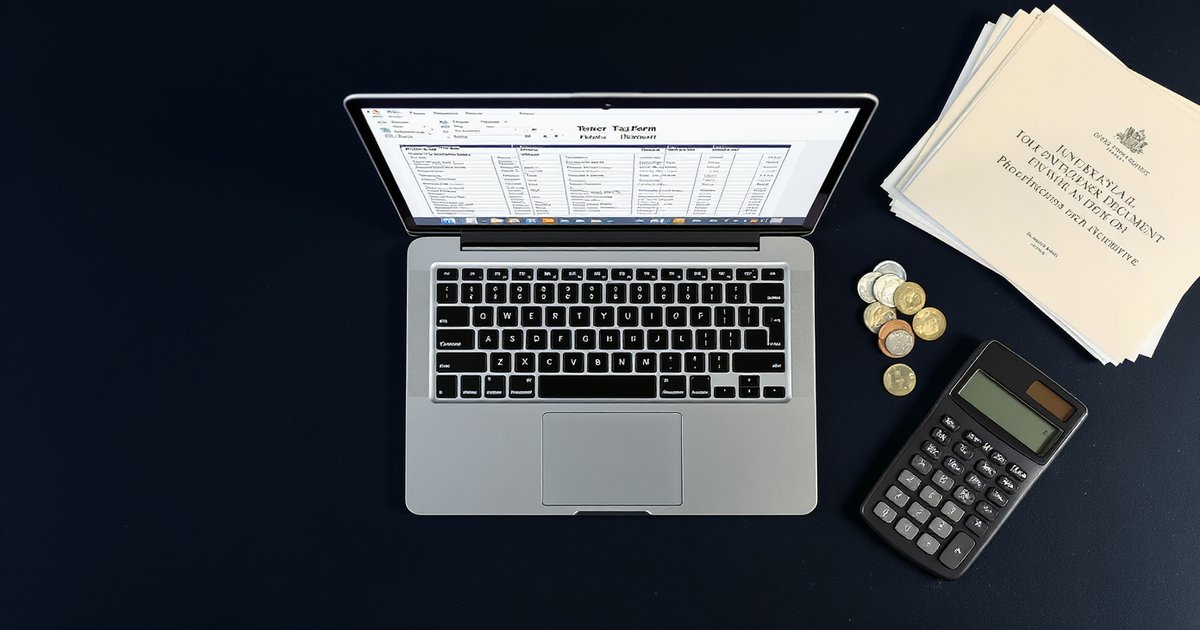
International Student Taxes Guide 2026: USA, UK, Canada, Australia
Every F-1 student must file Form 8843 — even with zero income. Miss it and you risk your visa. Tax rules for international students are country-specific and counter-intuitive. Here's the real picture for each country.
Read guide
The Complete Student Discounts Guide for International Students 2026
The GitHub Student Developer Pack alone is worth $200,000+ in software. The ISIC card gives 150,000+ discounts in 130 countries. Most students ignore both. Here's what's actually worth getting.
Read guideLanguage Tests
4 guides
IELTS Speaking Test: How to Prepare for Parts 1, 2 and 3
Most candidates lose marks in Part 3 — not because their English is weak, but because they don't know what the examiner is actually evaluating. The 4-criterion breakdown and prep plan are here.
Read guide
Duolingo English Test 2026: Complete Preparation Guide
$65, results in 2 days, accepted at 5,000+ institutions. But the photo description questions trip up most first-timers — and some top universities still won't accept it. Here's everything you need to know.
Read guide
IELTS vs TOEFL vs Duolingo English Test: Which One Should You Take?
The answer depends on where you're applying. Duolingo saves you £150 but isn't accepted by most Russell Group or Ivy League universities. Here's the decision tree that matches your situation.
Read guide
How to Prepare for IELTS in 8 Weeks: A Week-by-Week Study Plan
8 weeks is enough to move a full band — if you're working on the right skills. Writing Task 2 is where most candidates lose marks they should keep. Week-by-week plan inside.
Read guideHealth, Wellbeing & Student Life
6 guides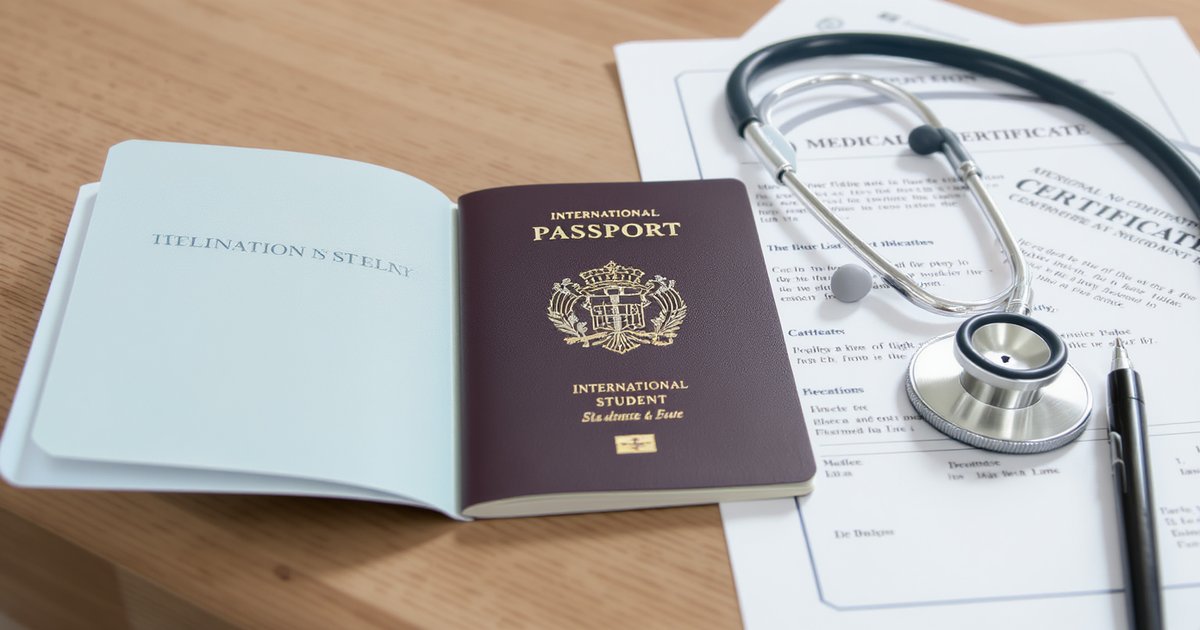
Student Health Requirements by Country 2026 — TB Tests, Vaccinations, Medical Exams
Most students don't realise several countries require medical checks before the visa is issued. 8 destinations compared: UK, USA, Canada, Australia, Germany, Netherlands, France, Singapore.
Read guide
Health Insurance for International Students: Country-by-Country Guide 2026
Free in the UK and Germany. Up to $4,000/year in the USA. Getting this wrong — or arriving without cover on day one — can mean catastrophic costs. Real numbers for every destination.
Read guide
Student Mental Health Abroad: What No One Tells You Before You Leave
1 in 3 international students experiences depression or anxiety. Only 15% seek help. Here's what the difficult weeks actually look like — and what works when you're in the middle of them.
Read guide
Student Accommodation Abroad Guide 2026: Halls, Private Rentals, Homestay
University halls fill before June for September entry. Private student accommodation in London averages £700–£1,200/month. Every option compared — costs, pros, cons, when to book.
Read guide
Culture Shock at University Abroad: The 4 Stages and How to Get Through Them
Weeks 6–10 are the hardest. Most students who withdraw do so in this window. What each stage feels like — and what actually moves you through to adaptation faster.
Read guide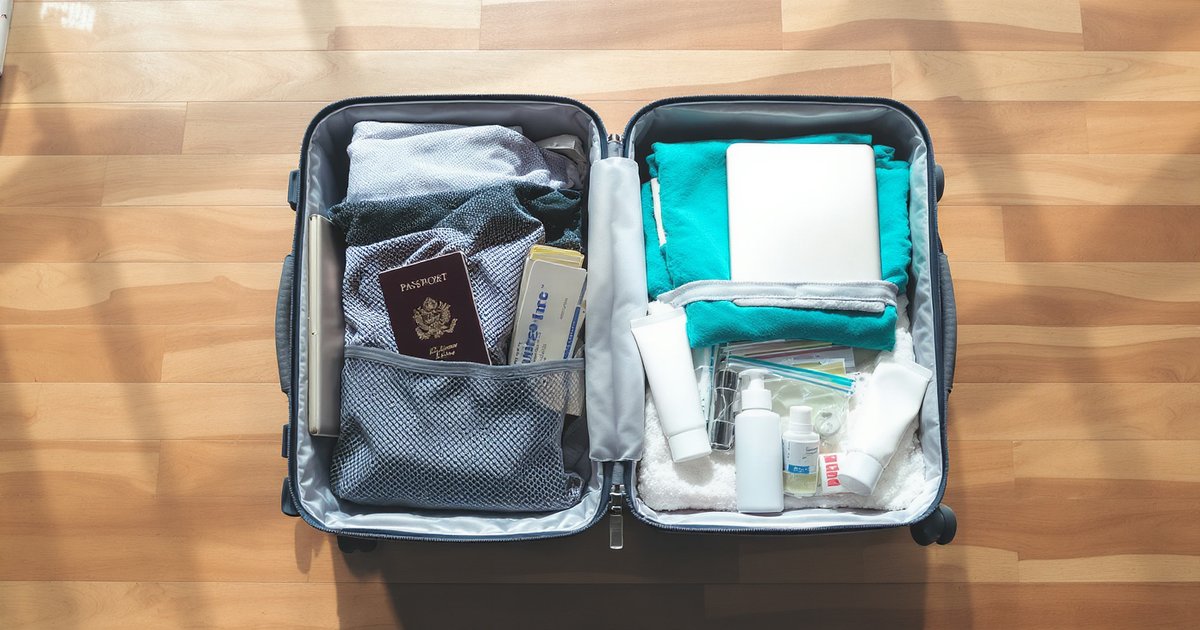
International Student Packing Checklist: What to Pack, What to Leave, What to Sort Before You Leave
The document you forget costs more than everything else in your suitcase combined. The medicine you can't get abroad might not be available at your destination. The stuff you definitely don't need takes up the space you'll want for the things you'll buy when you arrive.
Read guidePart-Time Work Abroad
3 guides
How Many Hours Can International Students Work? 2026 Rules by Country
Work the wrong number of hours and you risk your visa. UK: 20h/week. USA: 20h on-campus only. Canada: 24h. Australia: 48h/fortnight (changed 2023). Get this right before you start.
Read guide
Finding Part-Time Work as an International Student: What Actually Works
60% of on-campus jobs fill before they're posted publicly. Private tutoring pays £20–£50/hour from day one. Here's where to look, what pays best, and the one tactic that beats online applications.
Read guide
CPT vs OPT: The Complete Guide to Work Authorization for F-1 International Students
12 months of full-time CPT permanently eliminates your OPT eligibility. Most students don't know this until it's too late. Here's how CPT and OPT actually work — and the mistakes that cost people their post-graduation window.
Read guideStudent Visas
4 guides
UK Student Visa 2026: Complete Guide for International Students
The headline fee is £490 — but a 3-year degree student pays £2,818 before arriving. Here's what you actually need: CAS, 28-day bank statements, IHS, and when to apply.
Read guide
Canada Study Permit 2026: Complete Guide for International Students
The permit fee is CAD $150 — but DLI verification, proof of funds, biometrics, and PGWP eligibility are what actually determine your outcome. Here's what you need to check before accepting an offer.
Read guide
USA F-1 Student Visa 2026: Complete Guide for International Students
$535 in fees before you even get an interview — and in India, China, or Nigeria, that interview might be 400+ days away. The I-20, SEVIS, DS-160, and OPT path explained.
Read guide
Australia Student Visa (Subclass 500) 2026: Complete Guide
AUD $710 application fee plus mandatory OSHC health cover. The GTE requirement is where most applicants from high-risk countries fall over — not the fees. Here's the full picture.
Read guidePost-Study Work Visas
4 guides
UK Graduate Route Visa 2026: What It Is, Who Can Apply, and What You Can Do
£822, 2 years, any job at any level with no sponsor required. It can't be extended — and it doesn't lead directly to permanent residence. Here's exactly what it does and doesn't give you.
Read guide
USA OPT and STEM OPT Guide for F-1 Students 2026
OPT processing takes 3–5 months. Apply 90 days before graduation or you'll spend months unable to work. STEM graduates get 24 additional months. Here's the full timeline and what goes wrong.
Read guide
Germany Post-Study Work Permit: 18-Month Job Seeker Visa Explained
18 months to find a qualifying job. Financial proof of ~€17,000 required. Job must match your qualification level. Here's exactly how to apply and what the hidden barriers actually are.
Read guide
Canada PGWP: Post-Graduate Work Permit Guide 2026
Programme length = permit length, up to 3 years. Open permit — any job, any employer. But 2024 changes mean not all Canadian programmes qualify anymore. Check your DLI before you enrol.
Read guideArrival & Travel
2 guides
First Week as an International Student: Complete Arrival Checklist 2026
BRP collection, bank account, GP registration, SIM card — in exactly the right order. Miss one step and it cascades. Here's the day-by-day checklist that keeps you ahead of it.
Read guide
How to Find Cheap Flights as an International Student 2026
Booking "early" doesn't actually save money on most long-haul routes. The 2–6 month window does. Plus: student fares, VPN tricks, baggage math, and the tools that work.
Read guide