Most international students arrive exhausted, overwhelmed, and slightly bewildered. That's normal. What separates a smooth first week from a chaotic one isn't the feelings — it's whether you know what to do in what order. Miss one step (like forgetting to collect your BRP in the UK within 10 days, or not registering with a GP before term starts) and it creates knock-on problems that eat your first month. FreeStudentTools has put together the complete day-by-day checklist so you know exactly what to do when.
What should you do the moment you land?
Before anything else: connectivity. You need data to navigate, contact your accommodation, and reach anyone if something goes wrong. Don't assume your home country SIM will work without eye-watering roaming charges.
Your options at the airport:
- Buy a local SIM at the airport — expensive in most countries. £10–25 for a temporary SIM that you'll likely replace within a week. Useful if you just need data for 24 hours.
- Activate a travel eSIM before you board — the smarter option. An eSIM like Yesim covers 200+ countries, activates instantly on your phone, and you can buy it before your flight. No airport queues, no physical SIM swapping, and it works the moment you land. Prices start from ~$4/day for a data plan. (Affiliate disclosure: FreeStudentTools earns a small commission at no cost to you.)
Day-by-day: what to sort in your first week
Airport → Accommodation
- Activate data (eSIM or airport SIM)
- Withdraw £50–100 / equivalent local cash (card may not work immediately abroad)
- Get to your accommodation — confirm check-in process in advance
- Eat something. Sleep. Seriously.
Official check-in + urgent admin
- UK: Collect your BRP from the Post Office listed in your visa — you have 10 days from arrival, not 10 days from term start. This is the one that people miss.
- US: Report to your university's International Student Office and check in on SEVIS within the required window — your I-20 specifies this.
- Australia: Confirm your Overseas Student Health Cover (OSHC) is active and locate your nearest health provider.
- Register with the university international student office (in-person or online portal)
- Get your student ID card — most university services require it
- Get a local SIM card with a local phone number (O2/EE/Giffgaff in UK; T-Mobile in US; Vodafone/Optus in AU; Telekom in DE)
Banking + finances
- UK: Open a Monzo, Revolut, or Starling account via app — they work with a passport + UK address. Traditional bank accounts (HSBC, Barclays, Lloyds) take 2–3 weeks and require a university letter. Use a digital bank first, switch later if needed.
- US: Your university likely has a bank partnership for international students. Ask the international office before going to a branch independently — some banks can open accounts without SSN for students.
- Germany: N26 or DKB work online with a passport. Some German banks require an Anmeldung (address registration) first — see below.
- Set up mobile payment (Apple Pay or Google Pay) linked to your new account
- Transfer enough living money to cover your first month — international transfers take 1–5 business days
Health, registration, and settling in
- UK: Register with a local NHS GP. Find one near your accommodation (not your campus — they fill up faster). You won't be seen without registration, and GPs near universities often have 4–6 week waiting lists. Register immediately even if you're healthy.
- Germany: Complete your Anmeldung (address registration) at the local Einwohnermeldeamt within 2 weeks of arrival. This is legally required and unlocks your bank account, tax number, and other services.
- All countries: Locate the nearest pharmacy, supermarket, and your campus health centre.
- Buy an essentials kit: bedding/towels if not provided, cooking basics, phone charger adapter if you haven't already
- Attend university orientation if scheduled — this is where you meet your personal tutor, find out about student union events, and learn where services are
What documents do you need to carry in week one?
Carry physical copies of these — keep them in your bag, not just on your phone:
- Passport (with visa stamp / entry sticker)
- University admission/enrolment letter
- Accommodation confirmation + landlord/warden contact number
- Travel insurance policy and emergency number
- BRP collection letter (UK) or I-20 (US)
- Emergency contacts — family, your country's embassy in your destination city
Once you have your student ID and BRP or equivalent national ID, you don't need to carry your passport day-to-day. Lock it in a secure place in your accommodation.
How do you sort your budget for the first month?
The first month is always the most expensive. You're setting up a life from scratch: buying bedding, kitchenware, transport passes, and paying the first month's rent (often with a deposit). Budget roughly 2–3× your monthly living costs for month one. After that, costs stabilise.
For detailed numbers by country and city, see our first year budget guide — it breaks down average monthly costs in the UK, Germany, Australia, Canada, and the US by accommodation type.
Open your bank account by day 5 if possible. Carrying cash for a week is fine, but rent, transport passes, and most services want a bank transfer or card payment.
What no one tells you about your first week abroad
You'll feel lonely. Even students who are outgoing, organised, and prepared feel it — usually around day 3 or 4, when the novelty wears off and you're sitting in an empty room with a half-unpacked suitcase. That's not homesickness and it's not a sign you made the wrong choice. It's just what happens when you've upended your entire social world in 48 hours.
The cure isn't "keeping busy." It's one real conversation. Find the nearest communal kitchen, introduce yourself to one neighbour, and eat one meal with someone else in the same boat. Almost everyone in international student accommodation is in the same position — they want to meet people, they just don't know how to start.
Attend at least one of the orientation events, even if it sounds boring. The international student social mixer, the campus tour, the society fair — these are where you meet people in week one, and the people you meet in week one become your people for the year.
Is there a health check or vaccination requirement when you arrive?
Depending on where you're coming from and where you're going, you may have health-related entry requirements. Our health checks tool lets you select your origin country and destination to see whether you need a TB test (required for some UK visas), yellow fever certificate, medical exam, or specific vaccinations. Check this before you travel — some requirements need to be completed in your home country before departure, not on arrival.
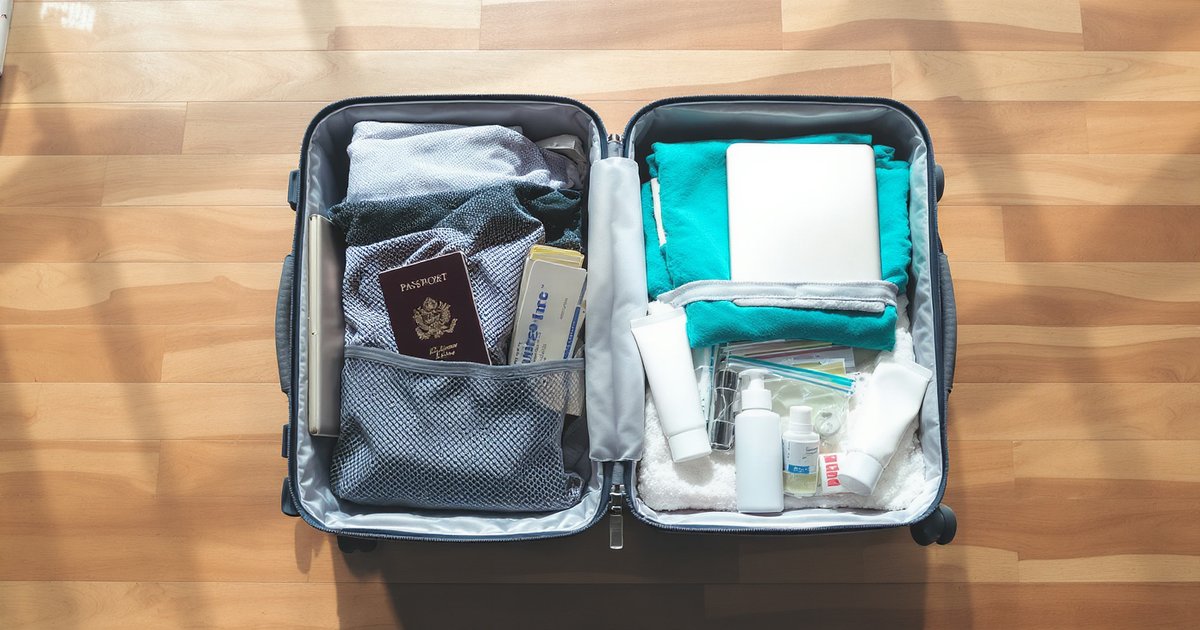
For a complete packing list covering what to bring, what to buy on arrival, and what to ship separately, see the international student packing checklist.
Do you need a TB test, yellow fever certificate, or medical exam for your destination?
Check health requirements by country →Was this guide helpful?